Common Errors to Steer Clear of During Your Water Heater Installation: Expert Insights
When installing a water heater, several key mistakes can lead to inefficiencies and safety hazards. From selecting an improperly sized unit to ignoring local codes and ventilation requirements, these missteps can result in serious long-lasting issues. Furthermore, faulty connections and overlooking energy efficiency ratings can create challenges during installation. Recognizing these frequent errors is critical for a smooth and successful installation. What other significant aspects should be evaluated to secure a trouble-free installation?
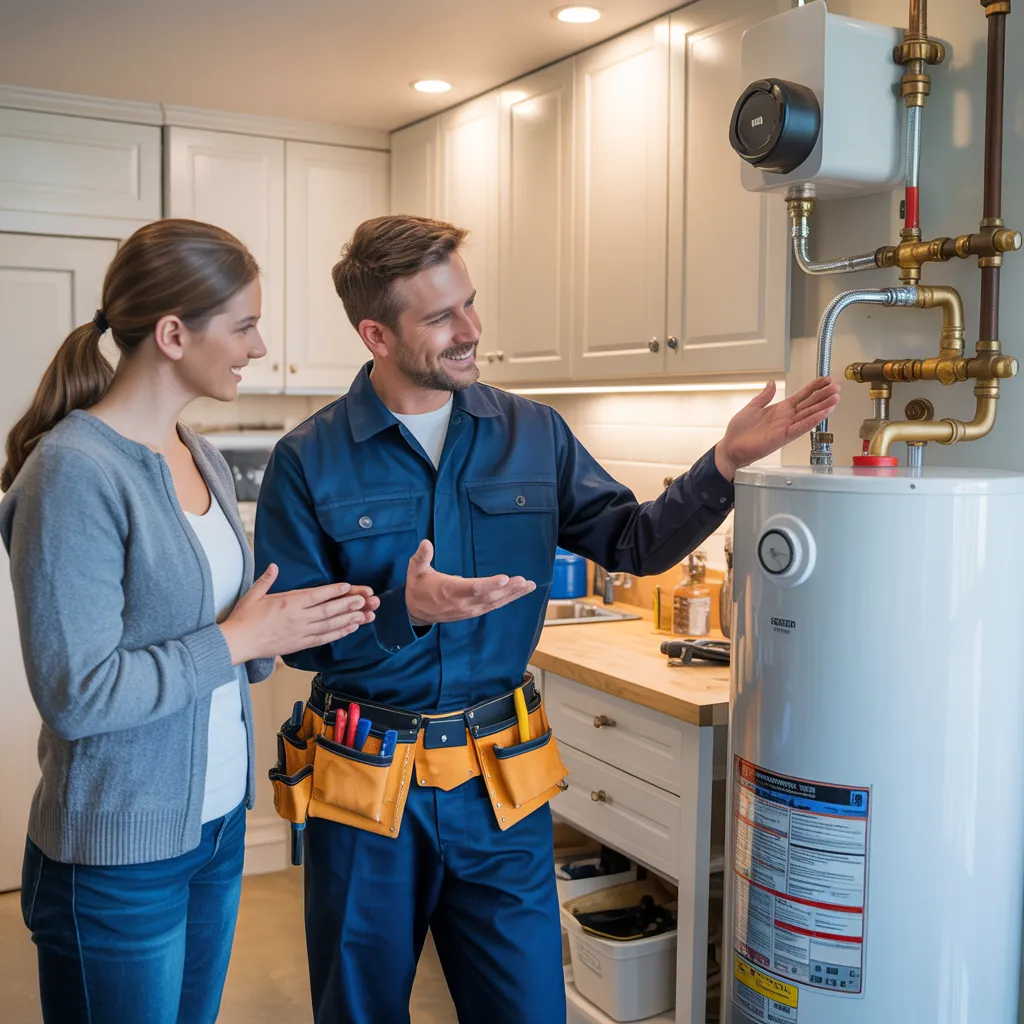
Choosing the Wrong Size Water Heater for Your Installation
How does someone determine the proper size for a water heater? Identifying the right size is essential to guarantee effective water heating and comfort in a home. The initial step involves evaluating the household's highest hot water consumption, which commonly occurs during the morning and evening hours. This can be estimated by factoring in the amount of kitchen appliances, bathrooms, and laundry facilities.
Additionally, one must also analyze the recovery capacity of the water heater, which reflects how fast it can heat water after consuming its available supply. A water heater that is undersized will cause occupants to experience a shortage of hot water, while an oversized unit can contribute to energy inefficiency and rising costs.
Never Ignore Local Codes
When setting up a water heater, understanding local regulations is essential to guarantee compliance. Neglecting to acquire the proper permits may cause significant fines and project setbacks. Consulting professionals can provide valuable insights into local codes, helping to avoid potential pitfalls.
Learn About Local Regulations
Comprehending local regulations is vital for a successful water heater installation. Following these requirements guarantees safety, efficiency, and legality. Regional regulations often dictate specific requirements regarding installation procedures, materials, and equipment. For example, particular locations may have guidelines for venting, seismic bracing, or even the kind of water heater permitted based on environmental considerations. Disregarding these codes can result in expensive penalties, delays, or even the need for a total reinstallation. Furthermore, being aware of the regulations assists with selecting the correct size and model for the home's needs, optimizing energy usage. Residents should consult local building authorities or refer to official resources to obtain a thorough understanding of relevant codes before starting installation.
Get the Necessary Permits
Obtaining the required permits is a vital step in the water heater installation procedure. Many homeowners overlook this aspect, assuming it is unnecessary or too cumbersome. However, local codes and regulations often mandate permits to guarantee safety and compliance with building standards. Not obtaining the necessary permits can lead to financial fines, delays in the project, and potential legal liabilities if the installation does not meet safety guidelines. Furthermore, permits typically include inspections that confirm the installation's adherence to local building codes, ensuring the safety of both the homeowner and the property. As a result, homeowners should investigate their local codes and acquire the proper permits before moving forward with the installation, helping to avoid setbacks and ensuring a trouble-free, regulation-compliant process.
Seek Professional Guidance When Needed
A large number of homeowners fail to recognize the intricacy of water heater installations, regularly causing them to neglect local codes. These codes, established to guarantee safety and efficiency, vary by region and can significantly affect installation procedures. Ignoring them may result in regulatory violations or dangerous circumstances. Working with qualified specialists is vital, as they possess the expertise to manage these guidelines successfully. Skilled technicians remain informed about evolving codes and can help homeowners avoid costly mistakes. Additionally, specialists can deliver meaningful recommendations regarding the appropriate type of water heater for specific needs. In the end, working with certified professionals not only ensures adherence to regional regulations but also strengthens the lifespan and effectiveness of the water heating system.
Common Ventilation Missteps That Affect System Performance
Proper ventilation is vital for maximum water heater efficiency. Typical problems consist of improper vent pipe measurements and blocked ventilation routes, both of which can hinder efficiency and safety. Correcting these concerns is required to confirm the system functions efficiently and consistently.
Insufficient Vent Pipe Sizing
Improper vent pipe sizing can severely compromise a water heater's functionality and security. Proper venting is vital for the effective removal of combustion gases. When the vent pipe is inadequately sized, it restricts airflow, leading to backdrafts that can cause harmful carbon monoxide buildup. This not only affects the heater's efficiency but also poses serious health risks to household members. Moreover, oversized vent pipes can lead to insufficient draft, resulting in inefficient combustion and unnecessary energy loss. Ensuring the correct size is essential for optimal ventilation and performance. Homeowners should consult manufacturer specifications and local codes to determine the appropriate dimensions for their specific water heater model, thereby avoiding expensive errors and guaranteeing safe performance.
Impeded Airflow Pathways
Clogged ventilation routes can significantly impair a water heater's performance and safety, in addition to the problems caused by inadequate vent pipe sizing. Should vents be clogged with dirt, insulation, or structural elements, harmful gases cannot be released adequately. This can lead to a dangerous buildup of carbon monoxide and decreased efficiency, forcing the unit to operate harder and use more energy. Additionally, improper venting can cause overheating, possibly harming the water heater or generating fire risks. Consistent inspections and maintenance are critical to confirm that ventilation channels stay unobstructed. Homeowners should also be cautious about the placement of vents, avoiding areas prone to obstructions. Addressing these common mistakes can notably enhance the durability and security of a water heating system.
Incorrect Connection of Water and Gas Lines
It is critical to guarantee that connections are tight and secure, using suitable fittings and materials specifically chosen for each line. Experts advise verifying all connections and following local codes and regulations to avoid accidents. Moreover, choosing the right type of pipe and sealants is critical; as an example, gas lines demand specialized materials to ensure safety and compliance.
Ultimately, taking the time to properly connect water and gas lines can save homeowners from costly repairs and dangerous situations, making it an essential step in the installation process.
Neglecting Energy Efficiency Ratings in Your Water Heater
How can homeowners be certain they pick the most efficient water heater for their needs? One important factor to consider is the efficiency rating of the unit. Often, homeowners overlook this aspect, leading to increased energy costs and avoidable environmental damage. Water heaters are typically rated by their see the details Uniform Energy Factor (UEF) or Energy Factor (EF), which reflects how efficiently they transform energy into hot water.
Opting for a water heater with a greater efficiency rating can considerably decrease operational costs over time. For instance, models with a UEF of 0.90 or higher are typically superior in efficiency compared to lower-rated ones. Moreover, energy-efficient units may be eligible for rebates or incentives, further offsetting installation expenses. Homeowners should focus on these ratings and speak with professionals to verify they identify a model that suits their needs while supporting sustainable energy use. Disregarding this factor can result in long-term financial and environmental impacts.
How to Insulate Pipes and Tank Effectively
Pipe and water heater tank insulation is critical for sustaining energy efficiency and limiting heat loss. Proper insulation minimizes heat loss, allowing water to stay warm for longer durations, which can lead to lower energy bills. To effectively insulate the water heater tank, homeowners should use a pre-cut insulating blanket, making sure it fits securely around the tank without obstructing any vents or controls.
Regarding pipes, foam pipe insulation sleeves are the top recommendation. These sleeves can be easily cut to size and slipped onto both hot and cold water pipes. Particular care should be directed toward zones with considerable temperature variations, including basements or crawl spaces. Additionally, securing insulation with tape can further enhance its effectiveness. Regular checks for wear and tear are essential; damaged insulation should be replaced promptly to maintain peak performance. Appropriate insulation not only boosts energy conservation but also increases the longevity of the water heater system.
When to Call a Professional for Installation
When should homeowners consider enlisting a professional for water heater installation? Several scenarios warrant this decision, especially when managing complicated systems or new technologies. To illustrate, should the installation include gas lines or demand electrical work, the skills of a professional are necessary to ensure safety and adherence to local codes. Furthermore, homeowners lacking experience in plumbing or installation may face challenges that could lead to improper setups, resulting in leaks or inefficiencies.
Furthermore, if the current unit is old or features unusual setups, a skilled technician can assess the situation accurately and recommend suitable solutions. Property owners should also take into account their time constraints; if they are incapable of committing adequate time to a self-installation project, engaging a qualified expert can preserve both time and unnecessary stress. In the end, acknowledging personal limitations and grasping the intricacies of water heater installation can direct homeowners toward the most suitable decision for their situation.
Common Questions and Answers
How Much Time Does a Standard Water Heater Installation Usually Take?
A typical water heater installation generally takes anywhere from two to four hours, according to the intricacy of the system and existing pipework. Factors such as accessibility and any necessary modifications can influence the installation duration.
What Tools Do You Need for a DIY Water Heater Installation?
A do-it-yourself water heater installation calls for essential tools such as adjustable pliers, a pipe wrench, screwdrivers, Teflon tape, a drill, a level, and proper safety gear. Proper preparation guarantees a smoother installation process and enhanced safety.
Is It Possible to Install a Water Heater in a Closet?
Yes, a water heater could be set up in a storage closet, as long as it complies with local codes and ventilation requirements. Proper space for upkeep and safety clearances needs to be addressed as part of the installation process.
What Are the Signs of a Poor Water Heater Installation?
Indicators of a poor water heater installation involve fluctuating water temperatures, odd noises, leaks, and limited hot water supply. Additionally, notable rust, water buildup, or poor drainage may point to faulty installation methods or system failure.
How Frequently Should I Service My Water Heater Following Installation?
Professionals advise maintaining a water heater at least once a year. This entails flushing the tank, looking for any leaks, and examining the anode rod to guarantee peak performance and prolong the unit's lifespan.
Comments on “Reliable Saint Michael Water Heater Installation Services”